Bloomington, MN
Tooth Extractions

Tooth Extractions in Bloomington, MN
Safe, Comfortable Extractions for a Healthier Smile
At Minnesota Dental Surgery and Implant Center, we provide gentle and effective tooth removal, including wisdom tooth extractions, to relieve pain, prevent future dental issues, and protect your oral health. Whether you need a damaged, decayed, or impacted tooth removed, our experienced team uses advanced techniques and sedation options to ensure a comfortable, stress-free experience.
If you're experiencing tooth pain, overcrowding, or wisdom tooth complications, contact us today for a free consultation and expert care.
Contact Us
When Is Tooth Removal Necessary?
Tooth extraction may be needed for various reasons, including:
- Severe Decay or Infection – When a tooth is beyond saving.
- Impacted Wisdom Teeth – Prevents pain, swelling, and potential misalignment.
- Overcrowding – Creates space for orthodontic treatment.
- Gum Disease Damage – Removes loose or compromised teeth.
- Broken or Fractured Teeth – When restoration isn’t possible.
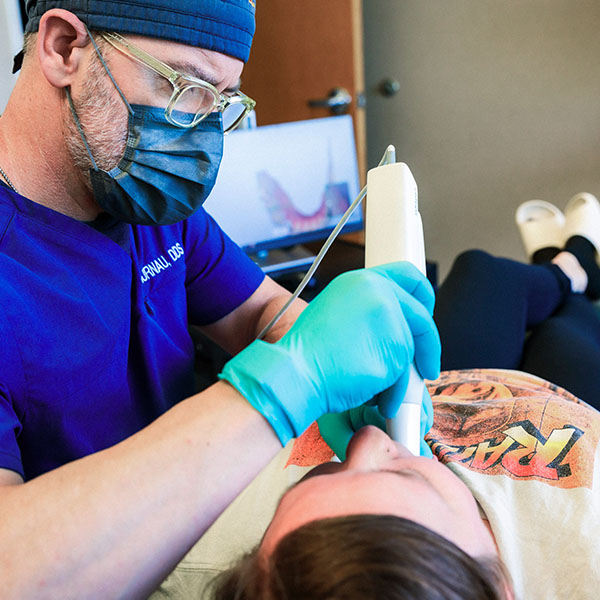
Wisdom Tooth Removal
Wisdom teeth often cause problems such as impaction, infection, and misalignment. Our expert team provides safe and effective wisdom tooth extractions, preventing future complications like pain, swelling, and damage to surrounding teeth.
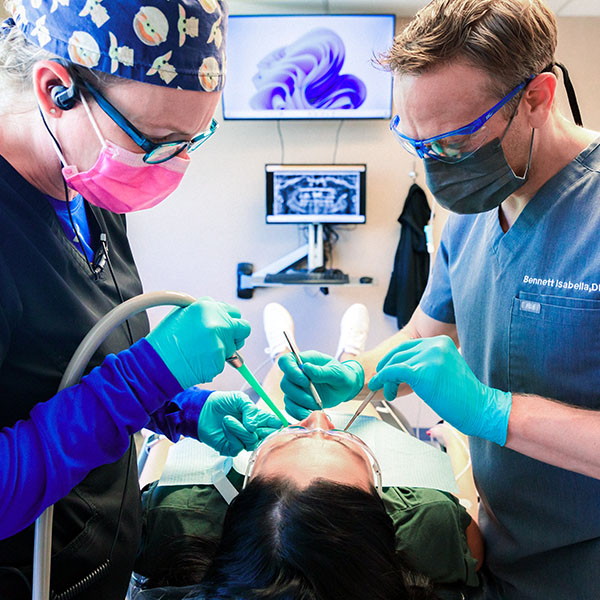
Pain-Free Tooth Extractions With Sedation Options
We understand that dental extractions can cause anxiety, which is why we offer IV sedation and other relaxation options to ensure a pain-free, stress-free experience. Our team will customize a sedation plan that fits your needs so you can remain calm and comfortable throughout your procedure.

What to Expect During a Tooth Extraction
Understanding what happens during a tooth extraction can ease a lot of anxiety before your appointment. At Minnesota Dental Surgery and Implant Center, the team walks you through every step so nothing feels like a surprise.
Step 1: Consultation and X-Rays
Before any tooth extraction begins, your dentist will review your dental X-rays and examine the area. This helps the team understand the position of the tooth, the condition of the surrounding bone, and whether any complicating factors are present, such as curved roots or proximity to a nerve. You'll also discuss anesthesia options at this stage, including IV sedation if you'd prefer a more relaxed experience.
Step 2: Anesthesia and Comfort Preparation
Once you're settled in the chair, the area around the tooth is numbed with a local anesthetic. If you've opted for IV sedation, your sedation will be administered first. Most patients are surprised by how little they feel once anesthesia takes effect. You may notice pressure during the procedure, but discomfort is minimal.
Step 3: Loosening and Removing the Tooth
For a straightforward extraction, the dentist uses an instrument called an elevator to gently loosen the tooth from the ligament that holds it in the socket. Dental forceps are then used to carefully rock and remove the tooth. The entire process often takes just a few minutes once the anesthesia is working.
For surgical extractions, which are needed when a tooth is impacted, broken at the gumline, or positioned unusually, a small incision in the gum may be necessary to access the tooth. The tooth may also be sectioned into smaller pieces for easier, safer removal.
Step 4: Ozone Disinfection and Socket Care
After the tooth is out, the socket is thoroughly cleaned. Minnesota Dental Surgery and Implant Center uses ozone surgical disinfection to reduce bacteria in the extraction site, which supports cleaner healing. If a bone graft is being placed at the same appointment to preserve the ridge or prepare for a future implant, that procedure follows here.
Step 5: Gauze and Instructions
Once everything is clean, gauze is placed over the socket. You'll bite down gently to apply pressure and begin clot formation. Before you leave, you'll receive a detailed set of aftercare instructions and have the chance to ask any remaining questions.
Recovery Tips for a Smooth Healing Process
Tooth extractions heal well for most patients when given the right care in the first few days. Following these guidelines will help protect the clot, reduce discomfort, and get you back to your routine as quickly as possible.
Protect the Clot
A blood clot forms in the socket immediately after a tooth extraction, and protecting it is the most important thing you can do. Avoid drinking through straws, smoking, or spitting forcefully for at least 48 to 72 hours. These actions create suction that can dislodge the clot and lead to a painful condition called dry socket.
Manage Swelling and Discomfort
Some swelling and tenderness after tooth extractions is completely normal. Apply an ice pack to the outside of your cheek in 20-minute intervals during the first 24 hours to reduce inflammation. After the first day, switch to warm compresses if swelling persists. Take any prescribed pain medication as directed, and don't wait until discomfort is severe before taking it.
Watch What You Eat
Stick to soft foods for the first several days. Good options include yogurt, mashed potatoes, scrambled eggs, smoothies (eaten with a spoon, not a straw), and soup at room temperature. Avoid hard, crunchy, or chewy foods that could disturb the extraction site.
Keep It Clean, Gently
Don't rinse your mouth on the day of the extraction. Starting the next day, rinse gently with warm salt water after meals to keep the area clean. Brush and floss the rest of your teeth normally, but take care to avoid the surgical site for the first few days.
Know When to Call
Mild soreness is expected, but some symptoms warrant a call to the office. Reach out to the team at 612-614-1920 if you experience severe or worsening pain after the first two days, fever, significant swelling that doesn't improve, or bleeding that doesn't stop with firm gauze pressure. The doctors at Minnesota Dental Surgery and Implant Center are here to make sure your healing goes smoothly.
Call Our Office for a Free Consultation!
If you're experiencing tooth pain, overcrowding, or wisdom tooth discomfort, our expert team is here to help. At Minnesota Dental Surgery and Implant Center, we provide gentle, precise extractions to restore your oral health and comfort.
Call us today to schedule your FREE consultation and take the first step toward a healthier smile!
Frequently Asked Questions
Don't wait—relieve your pain today! Call to schedule your FREE consultation and get expert tooth removal care.